

Machu Picchu is a popular tourist destination in Peru and one of the 7 wonders of the world. There are two ways to make it to Machu Picchu, and that’s by taking a train from a city in Cusco or hiking the Inca Trail.
If you choose the train route, there are 3 train stations that has trains going to Machu Picchu. On all three trains you have to get off at Aguas Calientes, which is a town in Peru. Then board a bus from Aguas Calientes to the Inca Citadel of Machu Picchu, which is about a 25 min ride.
If you choose to hike, there are many tour companies you can book with that offers 2-5 day hikes. I decided to choose the 4 day/3 night hike and booked it with TreXperience. I wanted adventure, a challenge and a one in a lifetime experience; I ended up getting all three.
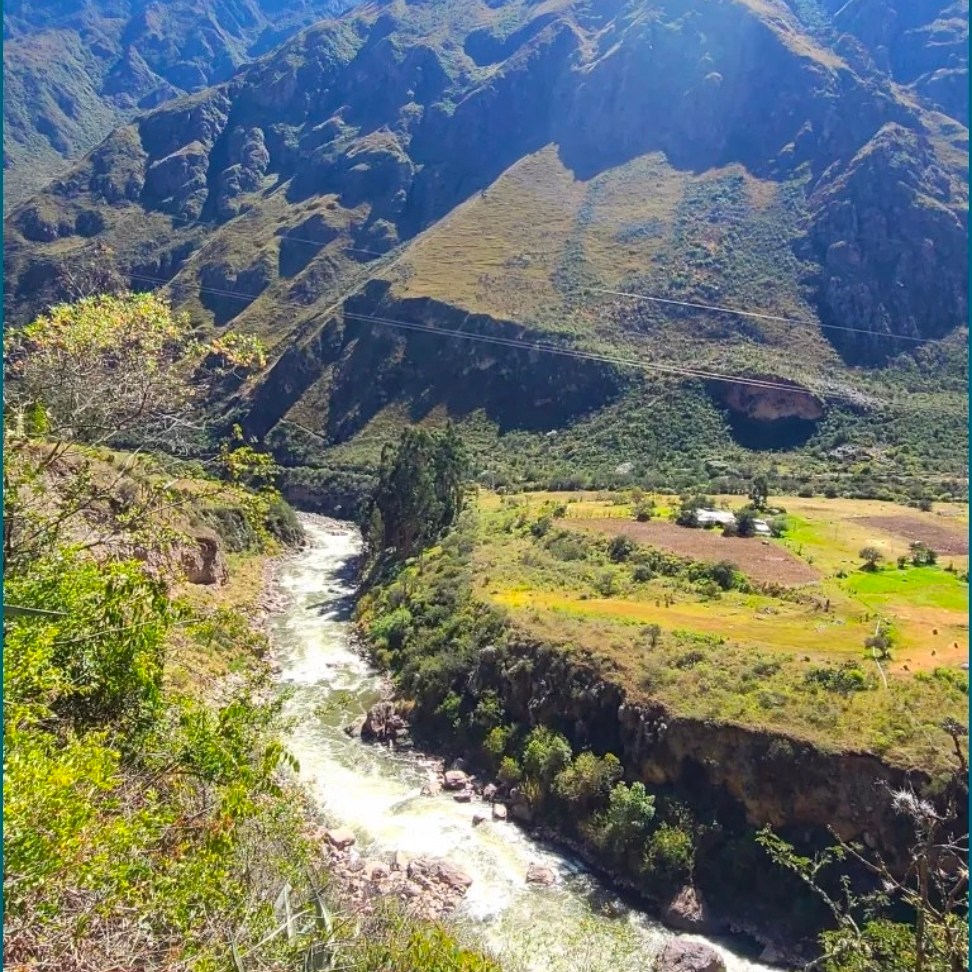
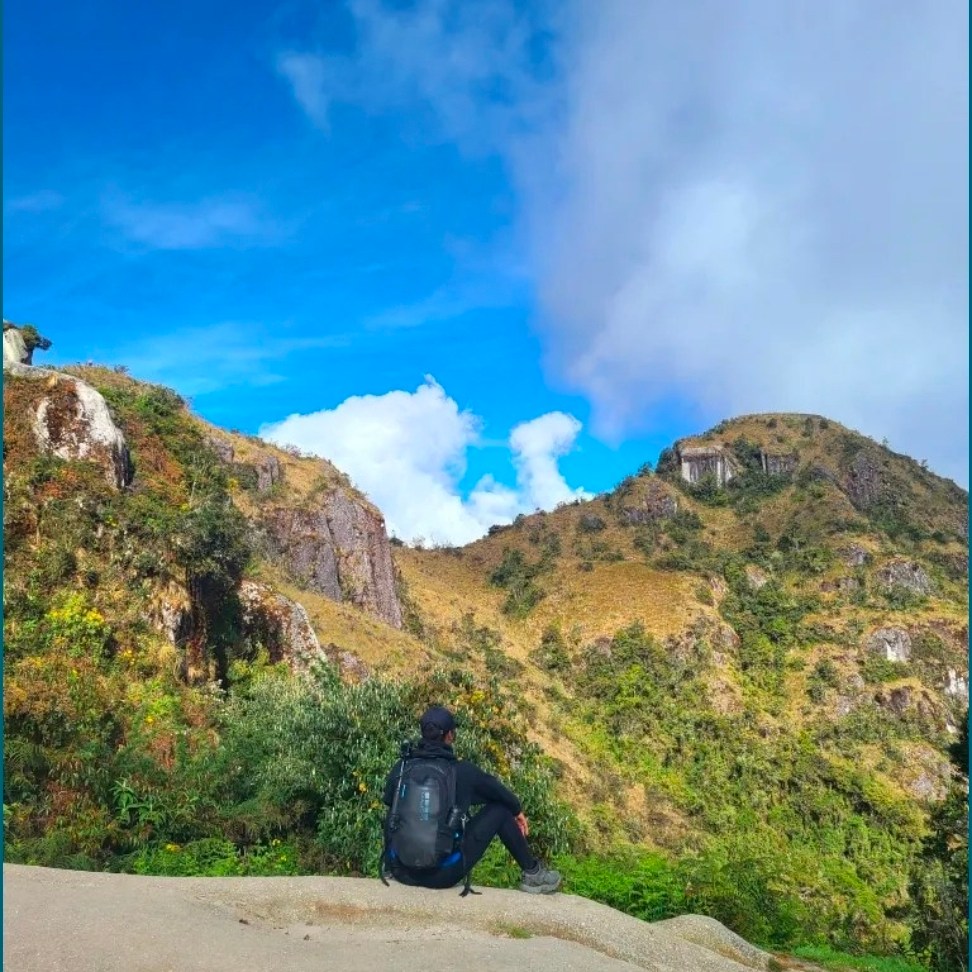
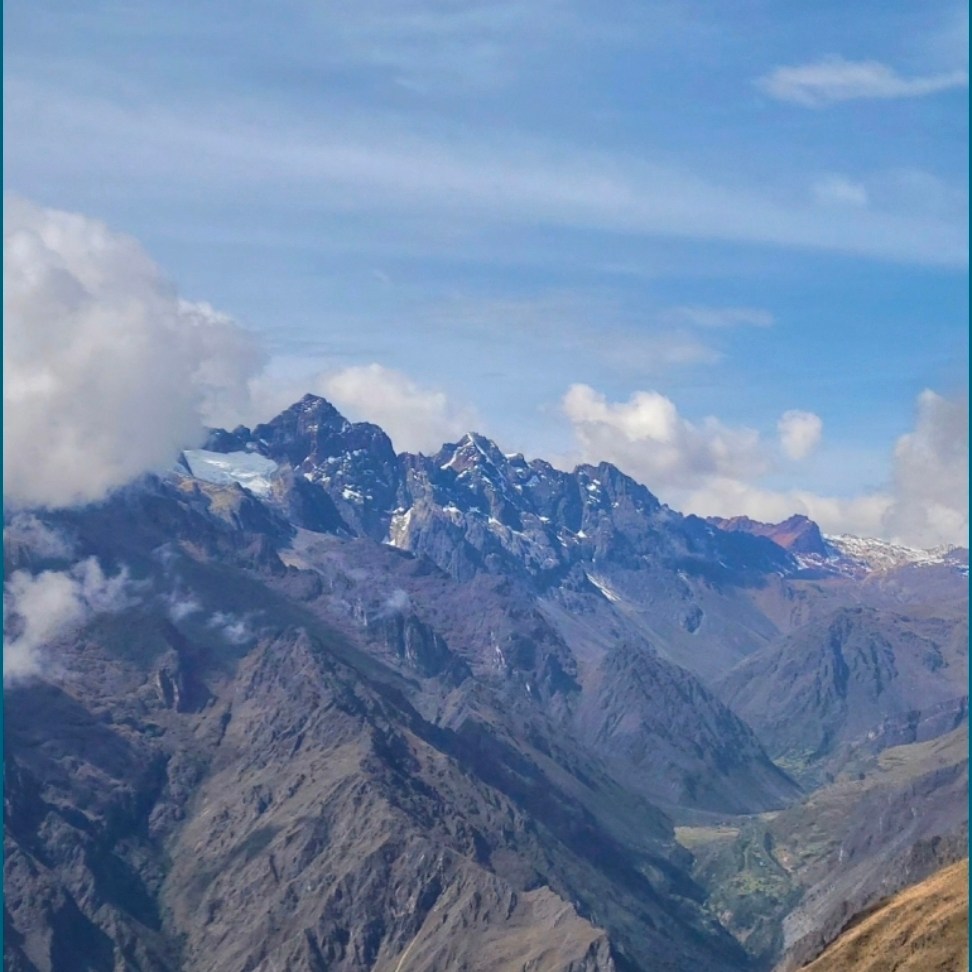
Booking the 4 day Inca Trail Hike
My friends and I booked our hike 8 months in advance. In order to enter the Inca Trail, you need a permit and those permits can get sold out as far as 6 months before the hike. So I wanted to play it safe.
When booking the hike with TreXperience, they give you the option to pay the full amount or put down a $200 deposit. The rest of the amount can be paid anytime by credit card. You also have the option to pay the rest of the amount at the briefing, with either a credit card or cash. I will discuss the briefing more, a little later.
How I prepared for the hike
Before going to Cusco
I did a bunch of research on the Inca Trail hike and how to physically train for the hike. I learned that the Inca Trail involves hiking over 10,000 steps, that’s including ascending and descending. People recommended to do a lot of cardio, some consisting of walking up and down steps, exercises to strengthen legs and back, making sure to stretch muscles and acclimatize in Cusco for a couple of days before the hike.
For months before the hike, every time I came across steps, I used them, even if there was an escalator or elevator nearby. I sometimes jogged to the gym, and when I got to the gym I did a program my boyfriend created for me. My program helped because it consisted of great lowerbody exercises to strengthen my legs. My boyfriend is a certified trainer, who owns a fitness company. He was one of the six people that completed the hike with me.
If you’re looking for a personalized program to help you prepare for the hike, or just looking for a great trainer, set up a free consultation with him: Bodies Divine Fit.
In Cusco
My friends and I arrived in Cusco about five days before the hike, and it was worth it. The first day, we went grocery shopping and relaxed. The second day, we walked around the city, and went to a restaurant. The Third, fourth and fifth days we did hikes to different archeological sites. I also bought a oil (from one of the shops) that’s great for altitude sickness. One of my friends bought coco leaves, which by chewing them, also helps with altitude sickness.
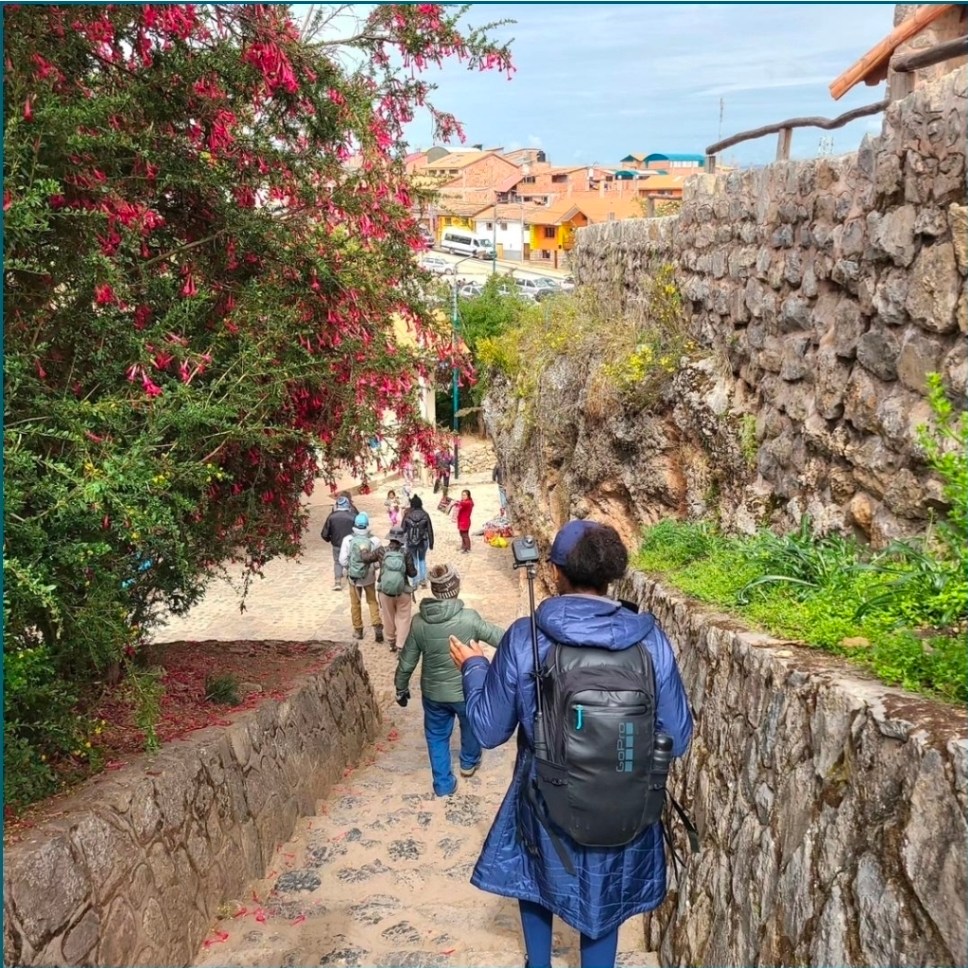
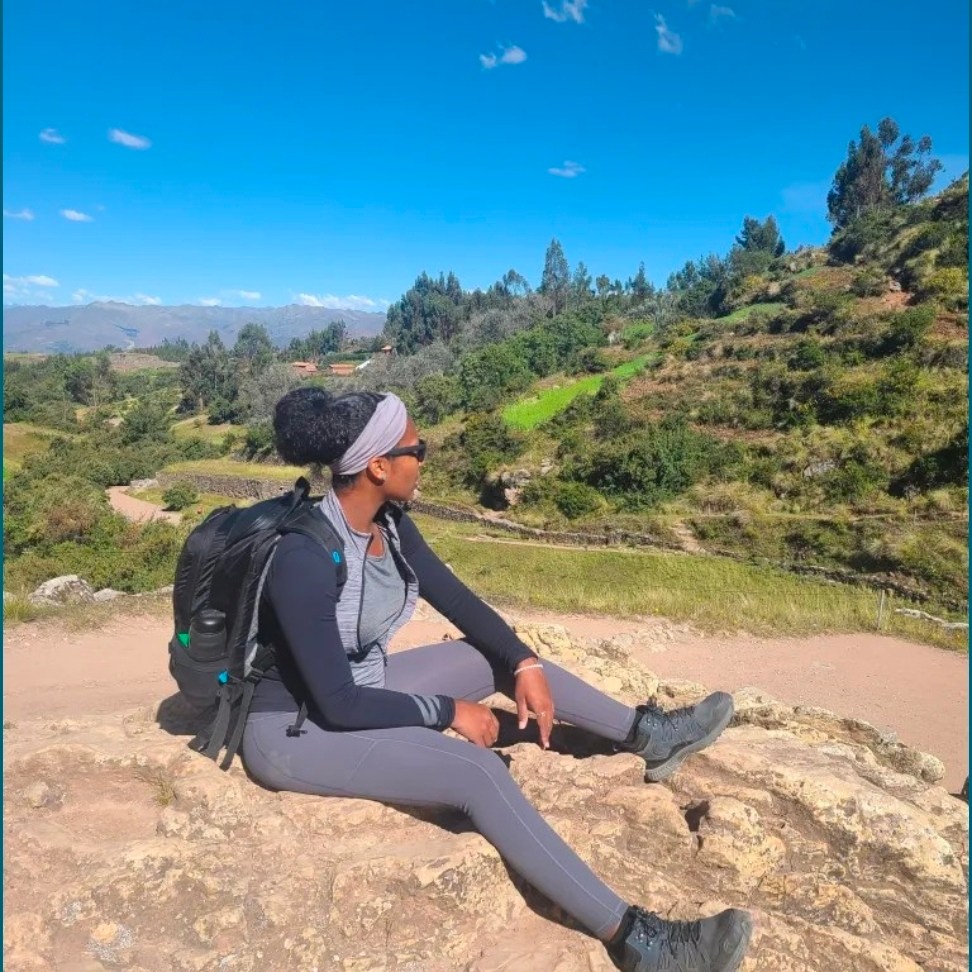
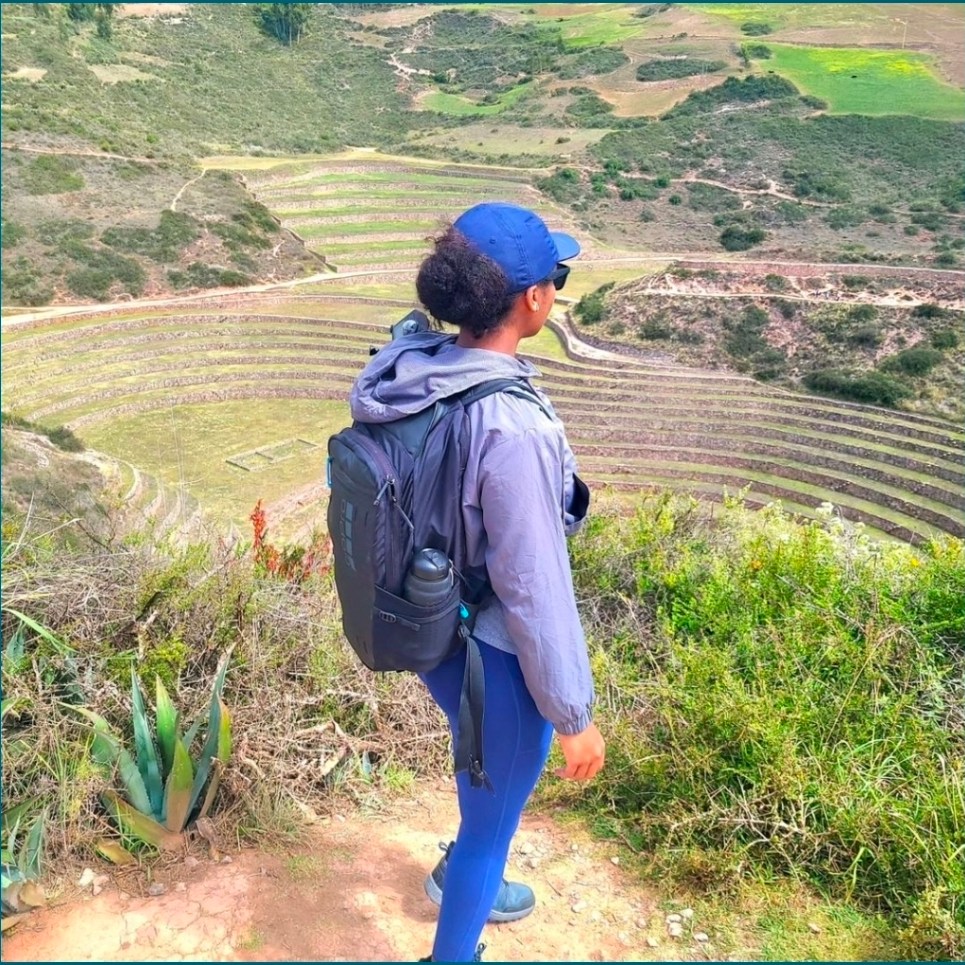
The morning of the fifth day, which was the day right before the hike, we all woke up early to meditate. My boyfriend and I usually meditate, and I thought it would be something great for us to do as a group. I knew we all were going to be doing something that we never did before and it could possibly take a toll on our bodies and minds, so I wanted us to at least go into it with a strong and positive mindset.
Tips for preparing for the hike
After completing the hike, I advise anyone that’s preparing for the hike to:
•Hike trails with high altitudes. Start with low altitudes and then slower go up.
•Walk up and down steps. It can be the steps at the train station, steps in your home or apt building, the stairmaster at the gym; just anywhere you have the option to use steps.
•Strengthen your leg, hip and back muscles. A great exercise for that is lunges. If needed, get a personal trainer to create a program for you.
•Acclimatize for at least 3 days before the hike. Use some of that time to do a couple of hikes in Cusco.
•Wear comfortable hiking boots and moisture- wicking fabric socks. I have flat feet and feared that I would have problems hiking for long periods of time. But I didn’t have problems with my feet at all, and it was because of my boots and socks.
•Purchase walking poles or if offered, rent poles from the hiking company. I never used walking poles before, so I wasn’t sure if I was going to actually need them… but I did, and they really helped me.
Looking for the perfect gear for your next adventure? Check out: Outdoor recreation.
Briefing with the guides before the hike
The briefing took place the evening before the hike at the TreXperience office. During the briefing, we received a map of the trail, with the camping locations. Our guides explained the map to us and let us know what each day was going to entail. After going over the map, the guides gave us our duffle bags. The duffle bags had a clear plastic bag to put our clothes in and a rain poncho inside. Besides clothes, sleeping bags should also go into the duffle bags. Each duffle bag can weigh no more than 7kg (15lb) because during the hike, the duffle bags are carried by a porter.

Leave a comment